Payment Choices Driving Game Selection Patterns Among Online Casino Users
Blake Hartmann · Nov 6, 2026
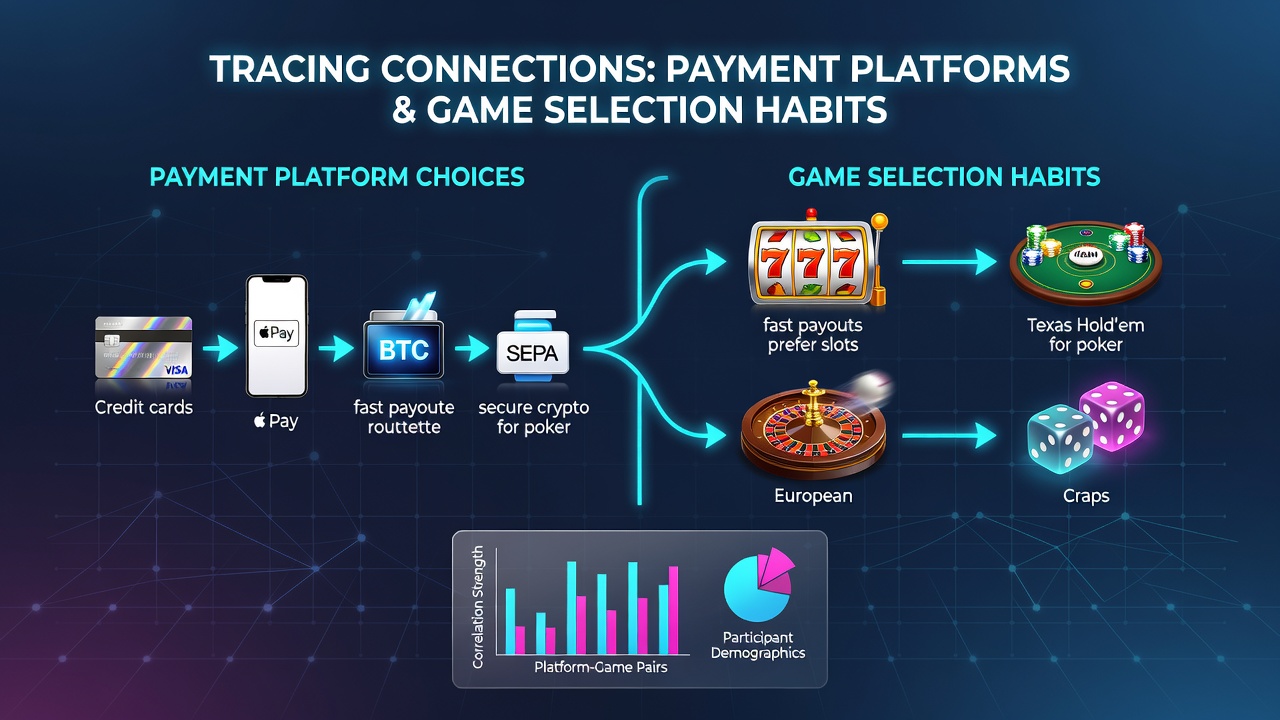
Payment Choices Driving Game Selection Patterns Among Online Casino Users
Payment platform selections among digital casino participants often align with specific game types because transaction speed, fees, and security features shape how people approach different activities, and recent analyses from late 2026 show these patterns holding steady across multiple markets.
Payment Platforms in Use
E-wallets such as PayPal and Skrill continue to dominate quick deposit and withdrawal needs while debit card options remain common for straightforward account funding, yet cryptocurrency platforms have gained ground among users who prioritize anonymity and lower transaction costs, and data collected through November 2026 indicate that players who favor instant settlement methods tend to migrate toward games with rapid round cycles.
Traditional bank transfers still appear in higher-value sessions although their slower processing times correlate with longer play intervals in table games rather than fast-paced slots, and industry reports note that participants using multiple platforms frequently switch based on the game category they intend to enter next.
Game Categories and Selection Trends
Slots attract the largest share of activity because of their accessibility and variable stake levels, while live dealer formats draw steady engagement from those seeking interactive experiences, and blackjack or roulette tables often see higher average bet sizes when funded through methods that support larger single transfers without additional verification steps.
Researchers tracking participant logs have observed that crypto users concentrate more heavily on high-volatility slots during evening hours whereas e-wallet participants spread activity across both slots and live casino sections with smaller but more frequent bets, and these distinctions emerge consistently in aggregated datasets from North American and Australian operators.
Documented Connections Between Methods and Games
Studies compiled by the National Council on Problem Gambling reveal that participants choosing cryptocurrency platforms demonstrate a measurable preference for multiplier-heavy slot titles and progressive jackpots, and this pattern appears because lower fees allow more capital to remain available for extended sessions, whereas debit card users show higher participation rates in live roulette and blackjack tables where session lengths tend to stretch longer.
One analysis of transaction records paired with game logs found that e-wallet funded accounts logged 28 percent more slot spins per hour on average compared with bank transfer accounts, and the same dataset indicated live dealer tables received 19 percent greater session time from users who relied on instant payment options, and these correlations hold after controlling for deposit size and frequency.
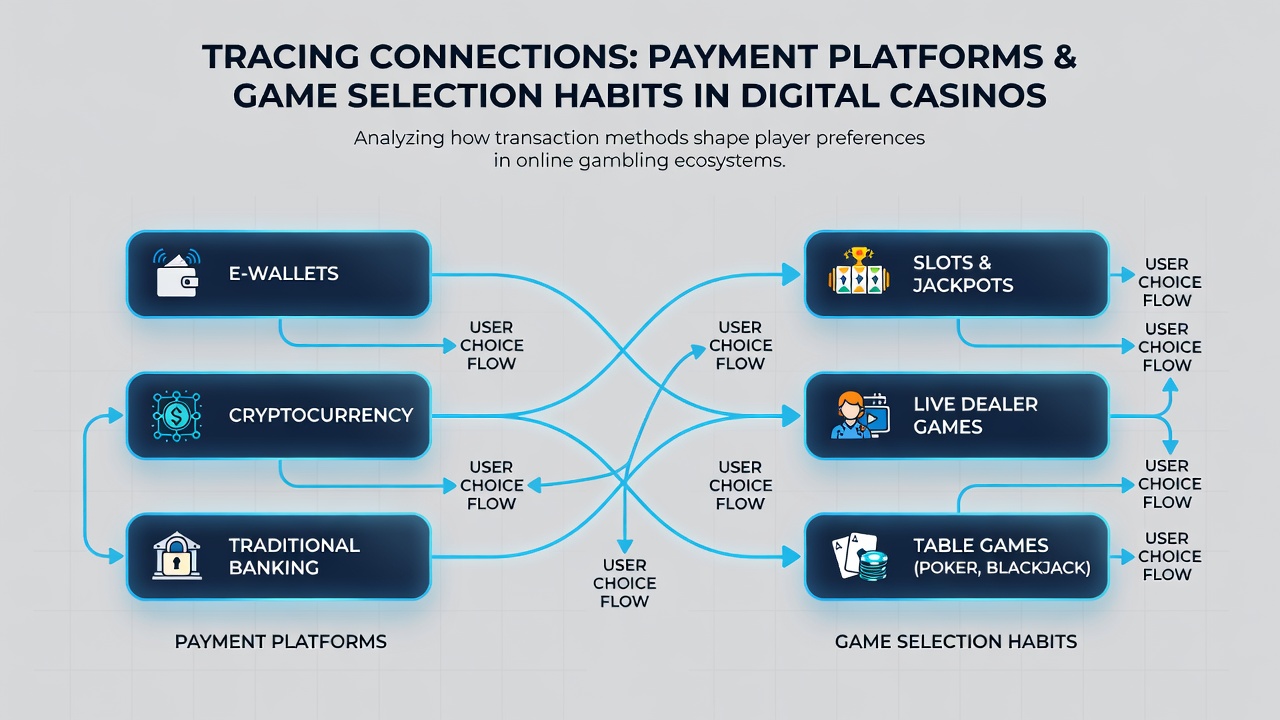
A separate examination conducted through the Australian Gambling Research Centre tracked mobile app users across six months in 2026 and identified that those relying on Apple Pay or similar contactless services gravitated toward bonus-round slots with frequent small wins, and the same group showed reduced time spent on strategy-based table games, and observers note the pattern likely stems from the seamless checkout experience encouraging quicker game switches.
Regional Variations in Behavior
North American markets display stronger crypto adoption linked to jackpot-focused slots while European and Australian participants more often pair e-wallets with live casino formats, and regulatory filings from state-level gaming boards in the US alongside comparable oversight bodies in Australia document these geographic differences without attributing causation to any single factor.
November 2026 figures released by several operator consortia show crypto transaction volumes rising 14 percent year-over-year in slot-heavy verticals, and the same reports indicate debit card usage remaining stable in table game categories where session durations exceed forty-five minutes on average, and analysts continue to monitor whether new wallet integrations will alter these established alignments.
Implications for Platform Design
Operators have begun adjusting interface layouts to highlight game categories that match dominant payment methods within their user base, and such adjustments follow directly from teh observed correlations between funding speed and preferred activity type, and data from multiple jurisdictions support continued refinement of these matching features.
Those who have examined large-scale transaction and gameplay datasets note that participants rarely confine themselves to a single payment option, and many maintain two or three methods to access different game types without friction, and this flexibility appears to sustain engagement across both quick-play and extended-session formats.
Conclusion
Payment platform choices and game selection habits among digital casino participants display measurable connections that operators and researchers continue to track through transaction and activity data, and these patterns reflect practical considerations around speed, cost, and session style rather than random preference, and ongoing monitoring through 2026 and beyond will clarify whether emerging payment technologies further shift the alignments already documented across major markets.