Seamless Transaction Mechanisms Powering Live Dealer Experiences Across Mobile Devices
Blake Hartmann · Sep 25, 2026
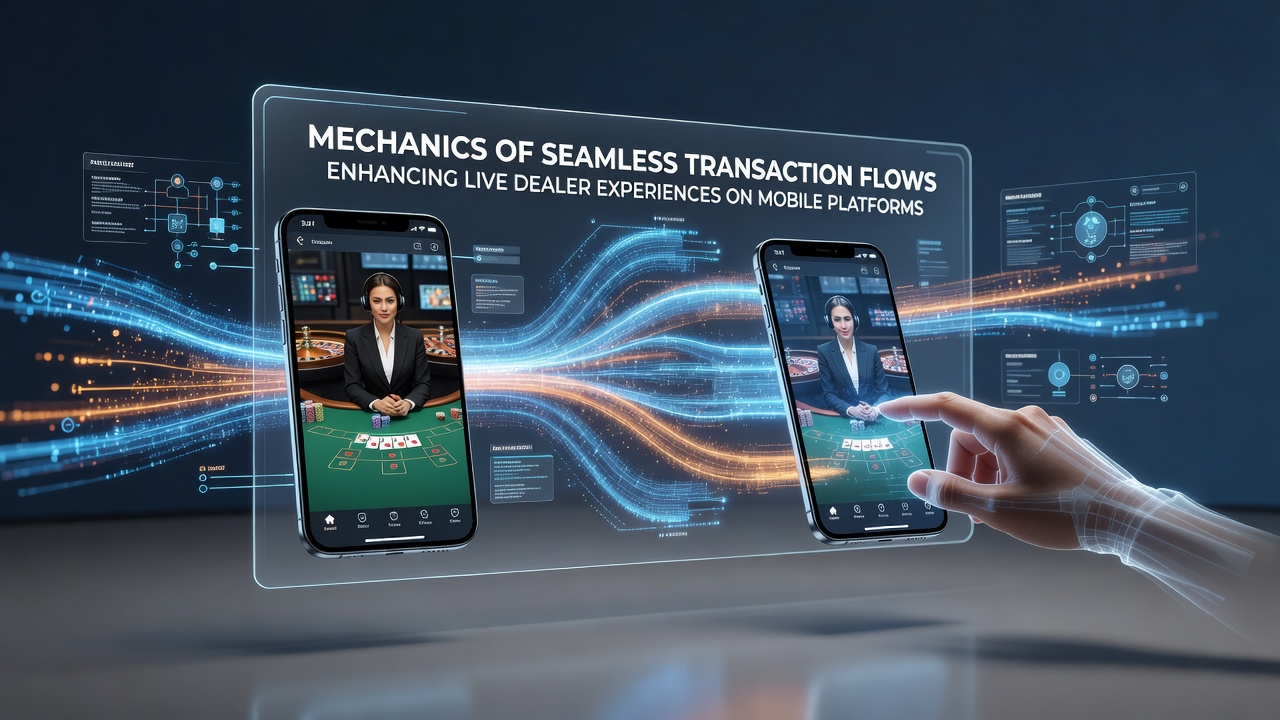
Seamless Transaction Mechanisms Powering Live Dealer Experiences Across Mobile Devices
Data from multiple industry analyses shows that transaction flows in mobile live dealer environments rely on layered payment gateways which process deposits and withdrawals in seconds rather than minutes; these systems connect directly to banking APIs and digital wallet providers so that funds move into player accounts without interrupting the video stream or the dealer interaction.
Operators implement tokenization protocols where card details convert into encrypted strings that travel through secure channels while the live game continues uninterrupted and players remain focused on the table action rather than on payment confirmations.
Core Components of Mobile Transaction Architecture
Real-time verification engines sit at the center of these flows and cross-check player balances against game states so that bets register instantly and results update without delay; this integration draws on server-side processing that syncs with mobile operating systems including iOS and Android through dedicated SDKs.
Payment orchestration layers manage multiple methods simultaneously and route requests to the fastest available channel whether that involves e-wallets, bank transfers or cryptocurrency rails; observers note that such orchestration reduces failed transactions by routing around temporary network issues automatically.
Security Layers and Compliance Structures
Multi-factor authentication combines with biometric checks on modern handsets so that each transaction receives approval through fingerprint or facial recognition before funds transfer; regulatory frameworks in jurisdictions such as those overseen by the Malta Gaming Authority require these steps while maintaining session continuity for the live dealer feed.
Encryption standards including TLS 1.3 wrap every data packet and independent audits confirm that these measures meet or exceed requirements set by bodies across North America and Europe; one industry report from the European Gaming and Betting Association highlights how consistent application of these protocols supports higher volumes of live dealer activity without security incidents.
Yet the real test occurs during peak hours when thousands of simultaneous sessions demand immediate fund movement and the architecture scales through cloud-based load balancers that distribute requests across regional servers.
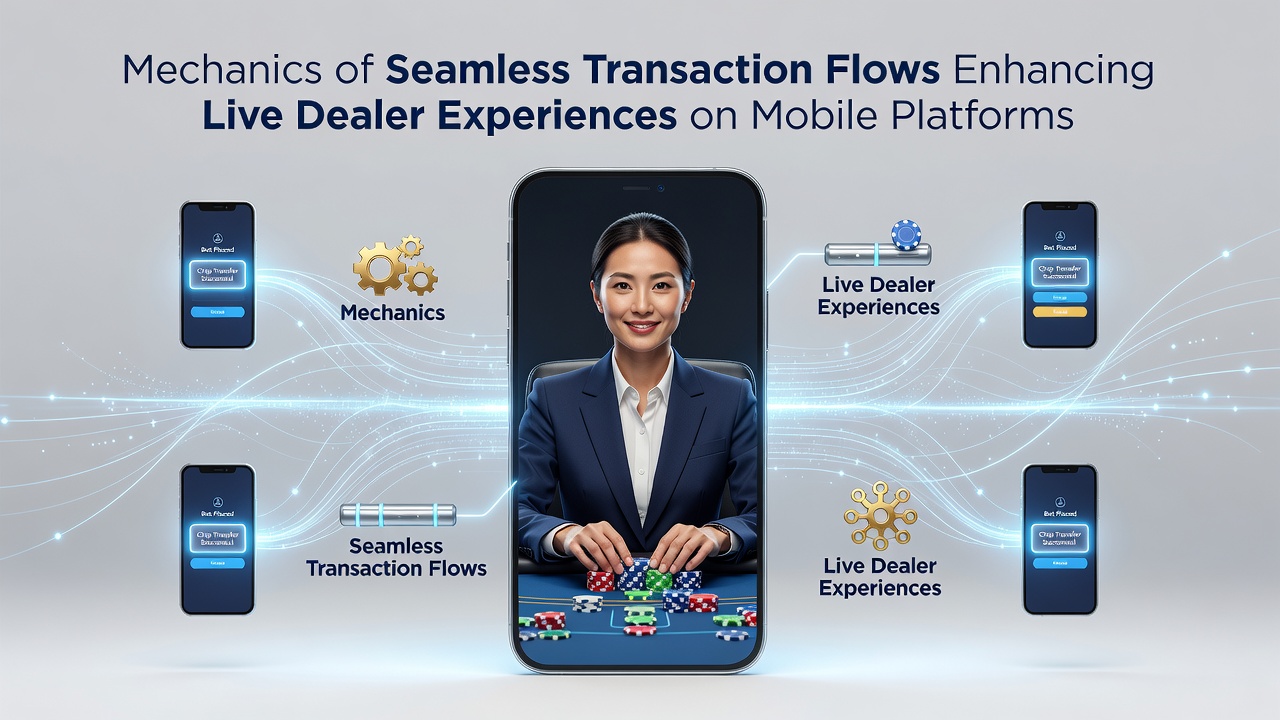
Integration Points Between Payments and Live Dealer Streams
API endpoints link the casino backend directly to the live streaming platform so that bet placements trigger automatic balance deductions and winnings return to the account within the same data exchange cycle; developers design these connections to operate at sub-second speeds which keeps the dealer and players synchronized across the mobile connection.
Push notification systems alert users when deposits complete or when withdrawal requests receive processing status updates and these messages appear without forcing the player to exit the live table view; studies of user behavior indicate that such non-intrusive alerts support longer session durations because the game flow remains the primary focus.
In September 2026 several platform providers rolled out enhanced micro-transaction modules that allow players to top up balances mid-hand through one-tap confirmations while the dealer continues to manage the round without pause.
Performance Metrics and Operational Outcomes
Analytics platforms track metrics such as average deposit time, withdrawal approval rates and transaction failure percentages across thousands of mobile sessions; figures reveal that systems achieving sub-three-second deposit speeds correlate with increased repeat participation in live dealer formats.
Load testing conducted by independent research groups shows that optimized flows handle sudden spikes in activity, such as those occurring during major sporting events that draw viewers toward casino side games, without introducing lag into the video feed or the betting interface.
Those who manage large-scale mobile operations report that continuous monitoring of these transaction pathways allows for rapid adjustments when regional payment providers experience temporary slowdowns and alternative routes activate automatically to maintain service levels.
Conclusion
Transaction mechanisms in mobile live dealer environments function through tightly coupled payment gateways, verification engines and streaming integrations that together deliver uninterrupted gameplay; data indicates these systems continue to evolve as new device capabilities and regulatory standards emerge across different markets. Operators who maintain these flows at high reliability levels support consistent player engagement while meeting the technical and compliance demands of the sector.